20 Definitive Ways For Picking Floor Installation
Wiki Article
Best Flooring Options To Suit Philadelphia's Climate And Humidity
Philadelphia isn't recognized enough for its genuinely difficult location for hardwood flooring. It's located in an area which has real winters- dry freezing cold air, which expands wood and humid summers that force moisture into everything. Take into consideration that a substantial portion of the home stock is old, often lacking a consistent climate control throughout every room, and you have conditions that will expose the flaws of any flooring that's not properly suited to the climate. The flooring that works when it's in Phoenix or Seattle will not work in Philadelphia. This guide will explain the way each type of flooring is actually performed in Philadelphia homes during all four seasons.
1. Solid Hardwood Demands Respect for the Climate
Solid hardwood is not an easy maintenance option in Philadelphia. It's extremely effective when installed right, properly acclimated and kept in a house with a consistent humidity -- ideally between 35 and 55 percent throughout the year. If these conditions aren't met as it is, you will experience gaps when it's cold and a crinkle in summer. Older rowhomes with no central air or consistent heating distribution is the most risky place to install solid hardwood. It doesn't mean that it's the wrong choice, but it makes a properly installed and ongoing humidity management non-negotiable.
2. Engineered Hardwood Was Practically Designed to be used in this Climate
The cross-ply layering technique used in engineered wood blocks the expanding and contracting that cause solid wood to move throughout the year. It provides real hardwood that is visible- real grain, real character, refinishable depending on the thickness of the layer that wears -- with a significantly higher degree of dimensional stability beneath. For Philadelphia homes, specifically those in Bucks County and Montgomery County where older constructions encounter unpredictability basement moisture, engineered flooring has a sweet spot that solid wood simply can't meet in a variety of conditions.
3. LVP is the most climate-friendly Alternative
Luxury vinyl plank doesn't absorb moisture, doesn't contract in dry winter weather, and doesn't really care whether your HVAC is working consistently or not. For Philadelphia homeowners dealing with basements and below-grade spaces or rooms that shift dramatically through the season, LVP are the floors that is guaranteed to last. Installing waterproof flooring has been one of most sought-after services by flooring contractors in Delaware County and South Jersey because of the homeowners who have learned this lesson many times over an issue with moisture that was caused by a distinct product.
4. Laminate is the most vulnerable Key to the Line-Up
Laminate flooring resembles LVP on paper, however it behaves completely differently when it is humid. It has a wood-fiber core that absorbs moisture and expands along the edges, and after the damage has started it does not reverse. In a climate controlled, dry Philadelphia home it can perform in a satisfactory manner for a long time. In a kitchen that is a rowhome, basements or any room that experiences high levels of humidity, laminate flooring can be dangerous. Installation quotes for flooring that are cheap typically involve laminate in spaces in which LVP would be a smarter invest.
5. Porcelain Tiles Refuse Philadelphia's Humidity
In terms of pure resistance to moisture, porcelain tile is the supreme choice. It doesn't expand, doesn't shrink, doesn't absorb water, and can outlast every other flooring option available in areas with high humidity or moisture. It's frigid in winter, joint joints are prone to damage, and the grout will require maintenance. Tiles made of porcelain in Philadelphia bathrooms and kitchens is highly sought-after due to good reasonsit's an ideal technique for those rooms in this climate.
6. Ceramic Tile Works but Has Limits on Porosity
Ceramic tiles are a step down from porcelain in terms of density and moisture resistance but is ahead of any wood-based flooring alternative in humid areas. Tiles for bathrooms and ceramic flooring on kitchens and bathrooms in Philadelphia homes, it's an ideal choice, especially where cost is an issue as it typically costs less than porcelain per square meter. It is important to note that ceramic shouldn't go in areas with freezing water or freeze-thaw exposure outdoor applications are an area where porcelain clearly wins.
7. Wide Plank Hardwood Needs Extra Humidity Management
This is an issue that many homeowners don't realize until it is too late. Wider hardwood planks (five inches or above and above -- are more likely to change when the humidity fluctuates more than flooring made of narrower strips. In Philadelphia's climatic conditions, the wide plank of solid hardwood in the house without adequate humidity control might show gapping in winter. They can close back up in the summer. Flooring contractors who deal regularly on wide planks of wood will discuss this matter upfront. People who do not will be getting you ready for an unnerving first winter on your brand new floors.
8. Subfloor Moisture is a Different Problem from Ambient Moisture
There are two distinct issues with different resolutions. Ambient humidity in the household affects how wood flooring expands, and contracts over time. Subfloor moisture -- the vapor release of concrete slabs and subfloors, moisture being absorbed by older boards and inadequate ventilation for the crawlspace -- is a direct risk to adhesive bonds and floating floor stability. A thorough evaluation of the subfloor before the installation of flooring in Philadelphia, Bucks County, or Delaware County homes should include moisture readings, not just an inspection.
9. Acclimation Time Is Not Optional in This Region
Hardwood flooring should be acclimatized to the climate and temperature of your home prior to installation- typically, between 3 and 7 days spent in the area. In Philadelphia it is common to rush or skip this process is the reason you end having floors that shift in a significant manner after installation, because the wood was not equilibrated to the environment in which your home is. Accredited flooring installers integrate the time for acclimation into their project timelines. Contractors with budgets who show up with their flooring and begin installing it the very day that the flooring arrives are creating a rift which will display.
10. The best climate choice is Always Site-Specific
It is true that a Montgomery County home with a fully-finished basement, central heating with continuous year-round humidity control is a totally different environment than an Philadelphia rowhome with radiator heat with no air conditioning and a damp cellar beneath. The flooring that works perfectly for one may not work for the next. The flooring companies worth hiring aren't recommending materials from a catalog -They study the living conditions in your home and match the material to the conditions that floor is going to live in for period of the next twenty years. View the most popular
LVP flooring Philadelphia PA for blog examples including laminate flooring installation Philadelphia PA, hardwood floor installation Philadelphia, ceramic tile flooring Philadelphia, waterproof flooring installation Philadelphia, ceramic tile flooring Philadelphia, hardwood floor refinishing cost Philadelphia, kitchen tile flooring Philadelphia, flooring installation near me Philadelphia, flooring contractors Montgomery County PA, LVP flooring contractors Philadelphia and more.

Tile Vs. Laminate: The Ideal Choice For Philly Kitchens
The choice of flooring for the kitchen in the Philadelphia home has more significance than other rooms, as kitchens here perform hard. The Rowhome kitchens double as social hubs, galley kitchens in older houses that endure constant circulation of people, and open-plan kitchens in newly renovated Delaware County colonials -- they all share the same issues: water, dropped things, grease, and decades of use. Both laminate and tile show regularly in flooring estimations across the Philadelphia metro area, and both have strong arguments in their favor. However, they're in no way interchangeable. Selecting the wrong type of flooring for a kitchen primarily can become evident faster than anywhere else in the home. Here's how the difference actually does the trick.
1. Water Resistance Is the Initial Filter and Tile is the Winner With a Cleaner Method
Kitchens get wet. Dishwashers leak and sinks overflow glasses break, sinks spill over, and mop the water sits longer than it ought to. Porcelain and ceramic tile are completely impervious near the surface. The risk, if present lies in the grout. It is easily addressed by proper sealing. Laminate is made of wood fiber that sucks up moisture once it gets under the surface layer. In the kitchen, it will eventually. Once laminate swells at the edge or seams it's damage is irreparable and the flooring has to be replaced. The installation of waterproof flooring in a Philadelphia kitchen is a reasonable aim, and laminate isn't able to provide the criteria.
2. Laminate comes with a lower entry Cost, but has a Longer Kitchen life span
Here is where laminate makes its most convincing case. Laminate flooring installation in Philadelphia kitchens consistently comes in lower than tile, cheaper material, less labor, and without the need for mortar or grout. For homeowners on a tight budget who require a kitchen flooring that looks great, laminate is appealing. The real issue is the longevity. When properly installed, tile in the right way in a Philadelphia kitchen could last for 20-30 years with no significant intervention. Laminate inside the exact kitchen, exposed to the moisture conditions that kitchens generate, often becomes problematic after 5 to 10 years.
3. Porcelain outperforms Ceramic under High-Traffic Kitchen Conditions
All tiles are not created equal in a kitchen. Ceramic tile is denser, more durable and less porous ceramic. It is able to handle cast iron pans falling off, chair legs, and frequent foot traffic more effectively over time. Ceramic flooring tiles are a good option for kitchens, especially in smaller kitchens where traffic is a controlling factor however, the difference in density is critical in rooms that receives as much punishment like a kitchen. Philadelphia flooring professionals who do large amounts of kitchen tiles installation tend to steer the option of porcelain unless price is the primary consideration.
4. Laminate Comfort underfoot is an Actual Advantage
This doesn't get enough credit in the tile in comparison to. laminate debate. Tile is hard and cold -sitting on it for an extended cooking session can be less energizing than laminate which has some cushioning and is warmer beneath your feet. In the case of a Philadelphia rowhome, where your kitchen flooring is set on top of an uninsulated basement, ceramic tile is very unpleasant without radiant heat underneath. Laminate can't solve every flooring issue in the kitchen, but it can help with this, and for homeowners who do a lot of standing within their kitchens, it's real quality-of-life issue.
5. Grout Maintenance Is the Honest Downside of Tile
Tile wins in terms of durability and water resistance, however grout's weakness is. A grout that is not sealed or worn out in a kitchen is prone to absorbing grease, staining, and even bacteria. Keeping tile kitchen floors looking clean requires sealing the grout before installations and periodic sealing over long periods of time. Philadelphia tile flooring professionals who know this in advance are doing you a favor. The homeowners who select tile with the expectation of minimal maintenance are the ones who are left with grout lines of grey that were initially white.
6. Large Format Tiles Can Change both the appearance of the kitchen and Subfloor requirements.
Large porcelain tiles which are 24x24 or more they are becoming increasingly common in Philadelphia kitchen renovations. They truly look amazing for the space they are placed in. It is important to note that large format tiles are more demanding in terms of flatness over smaller tiles. Variations in the subfloor displays as lippage edges which are set at different heights -- which is both a visual hazard as well as a danger to the pedestrian. Subfloor repairs prior to large format flooring installation for Philadelphia kitchens is usually necessary with a price that does not show up in a material-only estimate.
7. Laminate Cannot Be Refinished When It Wears
Hardwood kitchen flooring (which isn't so common, but not uncommon -- could be sanded and polished whenever the surface has wear. Tiles may have individual cracked tiles replaced. Laminate offers no alternative. If the wear layer on laminate degrades, which it is faster in kitchens then in a bedroom, the flooring needs to be replaced completely. For homeowners who plan to stay in their Philadelphia house for 15 or more years, laminate's failure to be repaired is a valid future cost concern that a cost of the initial purchase isn't always make up for.
8. LVP Is the Third Option The Comparisons Continue to Point towards
It's worth mentioning explicitly that luxury vinyl plank is similar to tile and is more durable and more comfortable underfoot than laminate and is more robust in kitchen environments than for the particular combination of foot traffic and moisture. LVP flooring is installed in Philadelphia kitchens has grown significantly because it solves the fundamental tension between the two options which most homeowners compare. It's not the best choice for every kitchen but it's the main reason that the tile or. laminate debate increasingly ends with a flooring specialist recommending another choice.
9. The length of time for installation varies considerably between the Two
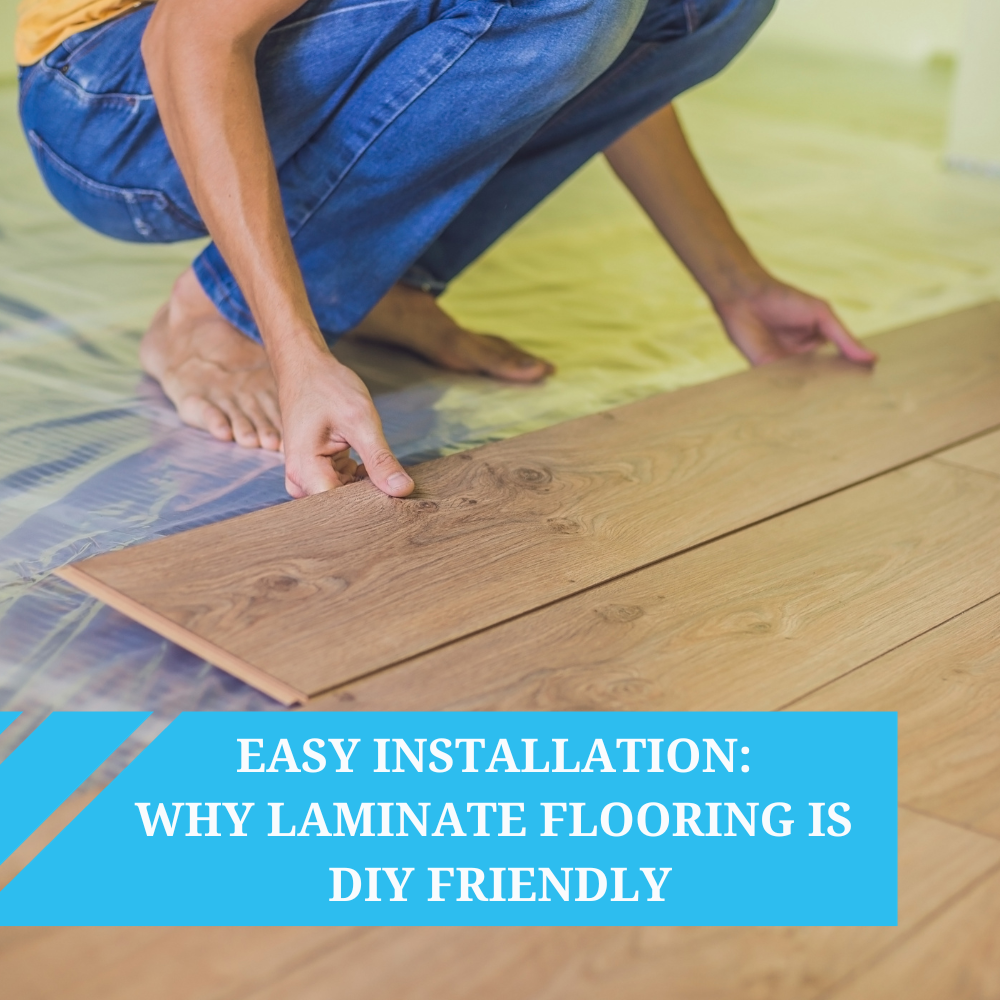
Laminate flooring is installed in kitchens speedily. A small to medium kitchen can typically be finished in a day. The installation of tile takes more time: the time for setting mortar, grout curing, and the preciseness required to layout and cutting all add to. For Philadelphia homeowners who want to have a efficient kitchen to be back in place quickly the laminate option offers a plan advantage. For those who are already doing a broader kitchen renovation with a timeframe already prolonged, tile's installation requirements are less important in the overall choice.
10. The existing subfloor of the kitchen should Determine the Final Call
More than aesthetics and budget and much more than your personal style -- the condition and the type of subfloor for your particular Philadelphia kitchen should be the key factor in what material you select. A solid, flat plywood floor offers a range of options, including large format tile. A subfloor made of diagonal boards may need an overlay before tile can be feasible, which changes the budget. Concrete slabs below grade alters the conversation on moisture completely. The top flooring specialists in Philadelphia will test the kitchen subfloor first and let the assessment inform the advice rather than just focusing on what they're currently storing in their warehouse. Have a look at the most popular View the most popular hardwood flooring Philadelphia for website tips including hardwood flooring Philadelphia, flooring installation Philadelphia, solid hardwood floor installation Philadelphia, solid hardwood floor installation Philadelphia, tile flooring installation Philadelphia, subfloor repair Philadelphia, free flooring estimate Philadelphia, flooring contractors Montgomery County PA, laminate flooring installation Philadelphia PA, porcelain tile installation Philadelphia and more.